The transatlantic relationship has been the cornerstone of the EU’s foreign and security policy. However, in a context where some in the US are looking inwards and questioning the values and institutions their country has built internationally, expectations on Europe have increased. The rise of new global power centres has added a new dimension to transatlantic debates, and both sides of the Atlantic must redefine the relationship to preserve security and prosperity, as well as maintain influence in an emerging international system where the 'West’– may no longer be dominant.
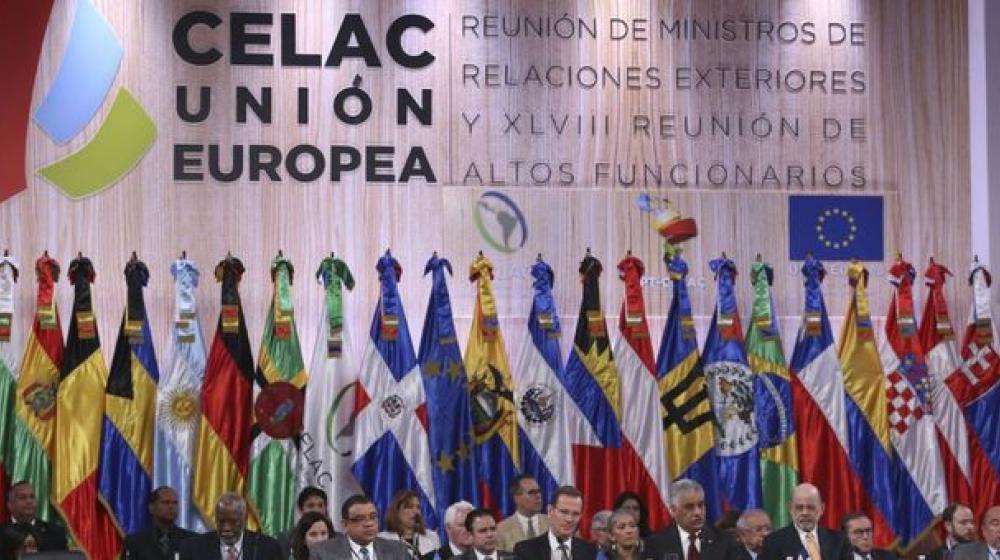
The EU has also cultivated and institutionalised relations with Canada and many countries of Latin America and the Caribbean (LAC). Recent changes in the international context have made the EU a more attractive partner to LAC countries, which are facing economic slowdowns, rising criminality and problems related to the rule of law. However, the increasing contestation of democratic values (which used to bind LAC countries together) has put regional institutions under pressure and strained relations with the EU.
This Brief takes a look at the state of play in Latin America and the Caribbean (LAC) in the run-up to the bi-regional EU-CELAC summit in El Salvador in October. What can the Union expect to achieve at the summit? And what kind of partner can CELAC be for the EU.
Upon taking office, President Trump signed an executive order formally ordering the withdrawal of the US from the Trans-Pacific Partnership (TPP). This Brief examines the implications of Trump’s protectionist trade policies: the opportunities for third countries, as well the...
Much of the current analysis of future US-Russia relations is focused on Trump’s presumed instincts and intentions towards Moscow. This Alert argues that the president’s policies towards China, Iran, energy and defence are all likely to present Russia with a difficult dilemma.
As they enter a period of critical elections, the US and European countries are being confronted by a series of threats from cyberspace. Electronic voting infrastructure and networks of political groups have recorded repeated intrusion, while strategic leaks of compromising...
Last week, Colombians voted against the peace agreement that the government and the FARC had reached in August to end the country’s civil war. How did this happen? And how will the process move forward?
This Brief seeks to explain why (and when) coups happen. What conditions are needed to persuade the military to attempt to topple a government? And what elements increase the likelihood of success or failure?
Recent developments to the east and south of Europe have pushed European defence back onto the agenda in Washington. What steps has the US taken to guarantee the security of its transatlantic allies? And are they enough?
Recent terrorist attacks in Europe have strengthened transatlantic counter-terrorism cooperation after trust was shaken by the 2013 revelations by Edward Snowden about American surveillance activities. New initiatives seek to address European data protection concerns while...
On 1 February, the World Health Organisation (WHO) declared the Zika virus a Public Health Emergency of International Concern (PHEIC). Are the health crisis management structures currently in place, not only in Latin America but also in the EU, ready to face this challenge?
The Latin America and Caribbean (LAC) region is exhibiting a vulnerability to the global headwinds. This Alert looks at macroeconomic mismanagement across the region as well as the political and economic impact sustained as a result.