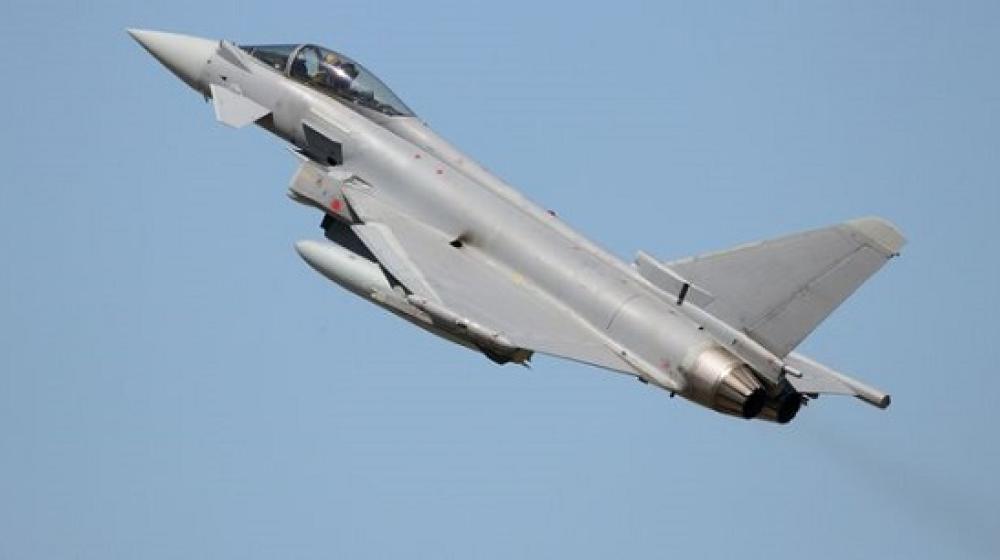
Over the past decades, defence cooperation has helped European countries preserve their security. Defence cooperation in the second machine age may, however, need to evolve and move beyond traditional joint procurement programmes to pertain also to new domains.
What generalisations can be made about African growth episodes between 1950 and today? This Brief seeks to dispel some of the negative narratives about Africa’s economic record, as well as discern factors which could lead to future growth on the continent.
After tensions between the government and citizens reached a boiling point in November 2015, a vicious cycle of protests and repression subsequently took hold for over a year. What, if anything, has the ruling party learned?
What impact have migration routes out of and within Africa had on EU migration policy? This Brief examines some of the Union’s efforts (and challenges) regarding the continent.
In 2016, 42% of asylum-seekers who received an instruction to leave stayed in Europe, amounting to at least 130,000 people. What could the EU do to improve its returns bargains with third states?
As the Syrian conflict grows in complexity, so too do the flows of people inside the country and into the neighbouring region. This Alert identifies three major shifts which will affect migration flows.
A criminal past is a common, yet often overlooked, characteristic of many European jihadists. This Brief examines the link between petty crime and terrorism, as well as the ways in which criminal experiences shape terrorist actions.
The second in the new EUISS series of Security Monthly Stats (SMS) looks at the sensitive issue of global migration. Are there really more migrants than ever before? And are people from the ‘global South’ migrating northwards?
The 2015 migration crisis revealed gaps in the EU’s migration-related statistics. This Brief looks at how unreliable migration data can be manipulated, and seeks to reverse the narratives which are put forward by certain actors in order to pursue their own agendas.
This Alert looks at Azerbaijan’s autocratic and assertive domestic turn, and explains the potential risks of the rebalancing of its foreign policy priorities by the ruling elites.